
Your route to residency in Portugal
Digital nomad, passive income and entrepreneur visas for a calmer Atlantic life — with the same coordinated approach we use in Spain.
Portugal combines a mild climate, a welcoming culture and residence routes that can be more accessible than Spain’s for some profiles — the D7 passive income visa in particular has a lower income threshold.
We often compare the Spanish and Portuguese options side by side, so you can decide with the full picture: income thresholds, how long each process takes, taxes, and where you actually want to live.
How we work
We start from your actual income and work situation, not from the route you first ask about. Once we know whether you qualify for the D7 or the D8, and whether Portugal or Spain fits you better, we manage the file with our Portugal-based partner: document list, translations, the consulate or in-country appointment, and everything through to your residence card.
What we don’t promise
Income thresholds and processing times are set by the Portuguese authorities and change from year to year — we confirm the current numbers for your file rather than quoting a figure that may be outdated. We also won’t put you on the cheaper or faster route if your numbers don’t actually support it; that just costs more time later.
- 01
D8 Digital Nomad Visa
Live in Portugal while working remotely for employers or clients abroad.
Who it fits: Remote employees and freelancers whose work comes from outside Portugal.
- 02
D7 Passive Income Visa
Live in Portugal on pension, rental income, dividends or other regular passive income.
Who it fits: Retirees and people with stable passive income who want a calmer Atlantic life.
- 03
D2 Entrepreneur Visa
Start a business or work as an independent professional in Portugal.
Who it fits: Entrepreneurs and freelancers planning activity in Portugal.
- 04
HQA Visa (Highly Qualified Activity)
Residency in Portugal for highly qualified professionals — through a qualifying job offer or a structured programme in an innovation company.
Who it fits: Graduates and experienced professionals who want EU residency through a qualified role in Portugal, including investors who prefer a structured startup programme to buying property.
This page gives general orientation. The right route and the exact requirements are confirmed only after reviewing your file.
Who will manage your file
The people who run your process in this country — and what each of them does for you.
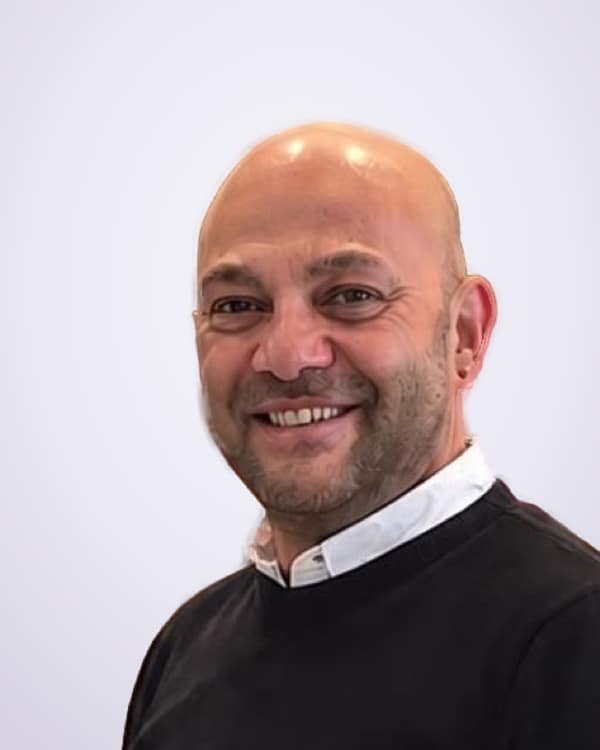
Albi Muaraf
Founder & Strategic Advisor, Muaraf Consulting
Authorised HQA partner of Empowered Startups
Lisbon-based founder of Muaraf Consulting, with 30 years in retail leadership, brand building and market entry. Personally leads Portuguese residency files, from choosing the visa to the AIMA follow-up.

Dr. Uğur Dahar
Founder & Managing Partner, NovaCFO
Finance and tax specialist with a PhD in forensic accounting and two decades at Garanti BBVA, twelve of them as a branch manager. Handles the financial side of your move in Portugal and the United States.
Frequently asked questions
What's the difference between the D7 and D8 visas?
The D7 is built for passive or remote income — pensions, rental income, savings or investment income — and generally has a lower income threshold. The D8 is the digital nomad visa, aimed at people employed remotely or freelancing for clients outside Portugal, with its own income requirements. We check which one your income actually qualifies for before recommending either.
Is Portugal better than Spain for my situation?
It depends on your income level, your work type and where you actually want to live — Portugal often suits lower or passive income profiles better, while Spain has more routes for company owners and employees. We compare both against your real numbers rather than a general preference.
Can I bring my family to Portugal?
Yes, spouses and dependent children can be included through family reunification, with requirements that vary slightly by route.
How long does the Portuguese process take?
It depends on the route and the consulate or SEF/AIMA workload at the time of filing — we give you a current estimate once we know your starting point rather than a fixed promise.
Do I need to speak Portuguese?
No language requirement applies to obtain most of these residence permits, though it becomes relevant later if you apply for permanent residence or citizenship.
What about tax once I'm a resident?
Portuguese tax residence has its own rules and, depending on your income type, specific regimes that may apply. We coordinate this with tax partners so your residence status and your tax position are planned together, not separately.
Write to us — we reply on WhatsApp within one working day
Leave your name and number. No calendar, no long form. A person from our team gets back to you.
Ask on WhatsAppNot sure which route fits you?
Take the free pre-assessment. No e-mail needed to see your result.